
Green tea
Carefully harvested and then immediately processed to preserve all their freshness, our green tea leaves offer a lively and stimulating vegetal liquor. From Japanese steamed green tea to grand crus handcrafted in Sri Lanka at Monastery of tea, discover the purest expression of nature.
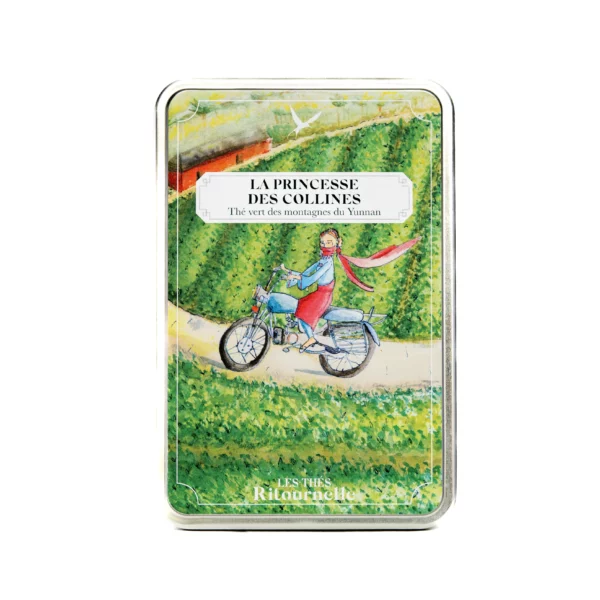
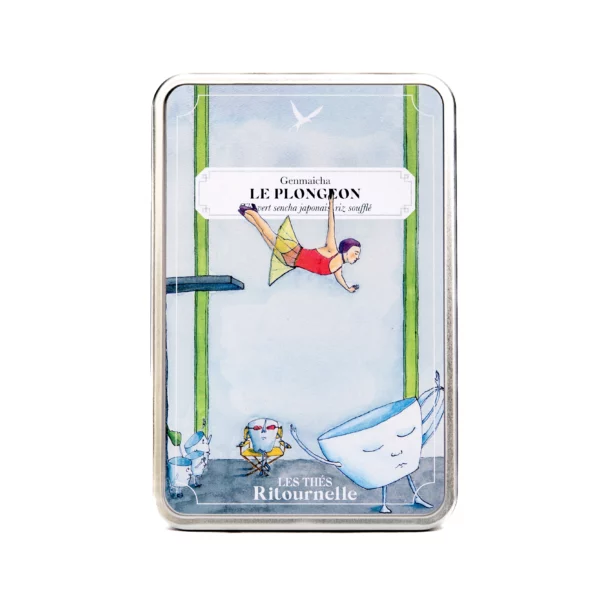
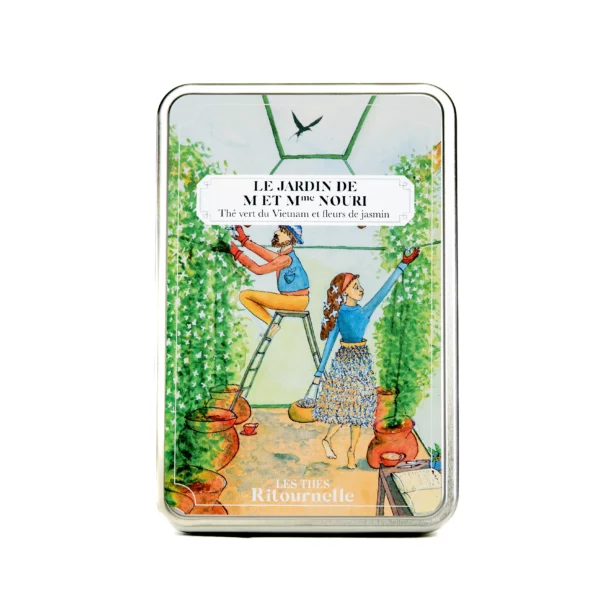
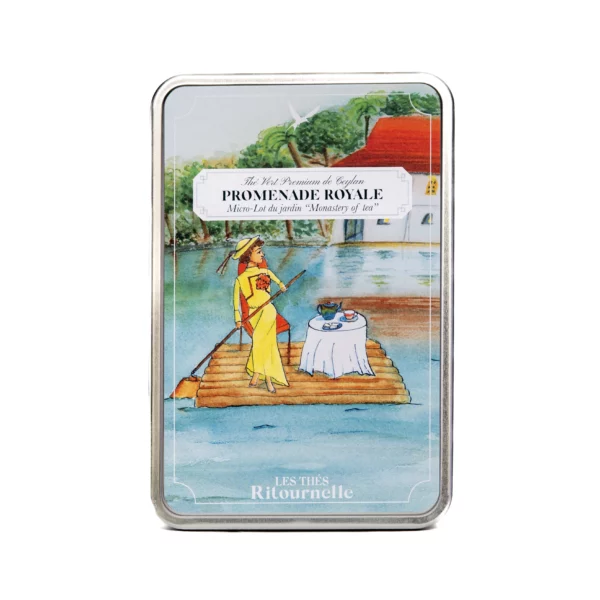
Unsure about water temperature, steeping time or the benefits of green tea? Let our tips guide you to reveal all the delicacy of its vegetal notes without bitterness.
Can you drink green tea in the evening without affecting your sleep?
Green tea contains theine (caffeine), even though it generally contains less than black tea. If you are sensitive to stimulants, it is best to avoid consuming it after 4 pm or 5 pm. For the evening, opt for Herbal tea or choose a second-infusion green tea (which contains significantly less theine).
What are the main aromatic profiles of green tea according to its origin?
It all depends on the drying method! Japanese green teas such as Sencha) are steam-dried: they reveal an intensely green liquor with very fresh, vegetal and marine notes. Chinese green teas are roasted in a wok or hot air: they offer smoother, rounder flavours, with toasted or nutty notes.
What is the difference between green tea, matcha tea and sencha tea?
It is all a matter of cultivation and preparation:
-
Le Sencha is the most classic green tea in Japan, steam-dried to preserve fresh, vegetal notes.
-
Matcha is made from leaves shaded before harvest, then ground into a very fine green powder that is whisked directly into water. You thus absorb the entire leaf and its antioxidants.
-
Our green teas from China Chinese green teas are pan-roasted, offering smoother and lightly toasted notes.
At what temperature and for how long should green tea be brewed?
Green tea is a delicate drink that cannot tolerate boiling water.
-
Heat your water to between 70°C and 80°C..
-
Steep for only 2 to 3 minutes..
What is the difference between organic green tea and conventional green tea?
Tea leaves are never washed after harvesting to avoid altering their flavours. Choosing organic green tea guarantees that the leaves were grown without chemical fertilisers or synthetic pesticides, thereby preventing residues from ending up brewed in your cup. Organic farming also protects the health of artisan growers and the biodiversity of tea gardens.
What is the ideal daily quantity of green tea to consume?
To fully benefit from green tea's polyphenols and antioxidants while maintaining a balanced theine intake, the recommended consumption is 2 to 4 cups per day (approx. 500 to 750 ml). This amount provides all the benefits of the leaf without overstimulating the nervous system or hindering iron absorption during meals.
Does green tea expire, and how do you know if it is still good?
Green tea does not "expire" in the sense of becoming toxic, but it is the most delicate of all teas. Unlike black tea, green tea rapidly loses its essential oils and freshness if improperly stored. It is ideal to consume it within 6 to 12 months after opening. If its leaves have lost their vibrant green lustre or grassy scent, or if the drink tastes flat, it is simply a sign that it has lost its aromatic properties.