
Black tea
Revealing a complete oxidation mastered with art, our selection of black teas unveils amber liquors with malty, woody or naturally fruity accents. An invitation to warming rituals, from the high-altitude gardens of Gopaldhara to the finest terroirs of Ceylon.
Showing all 5 results




Theine content, tasting pairings and brewing methods: discover how to reveal all the richness of our single-origin black teas.
What are the health and digestive benefits of black tea?
Thanks to its complete oxidation process, black tea is naturally concentrated in unique polyphenols, notably theaflavins and thearubiginsThese powerful antioxidants help the body fight against cellular stress while supporting the cardiovascular system.
On a digestive level, the tannins naturally present in black tea exert a soothing action on the gastrointestinal system, helping to reduce discomfort after a heavy meal. Combined with L-théanine an amino acid that promotes relaxation — and a moderate presence of minerals (such as potassium and magnesium), black tea makes for a daily stimulating, comforting and balancing drink.
Can you re-infuse the same loose-leaf black tea leaves multiple times?
Absolutely! That is the privilege of superior quality full-leaf black teas. A second infusion carried out within a few hours often reveals rounder, softer nuances with slightly less theine. Take care not to let your leaves dry out completely between infusions to preserve their aromatic freshness.
What are the characteristics of the great black tea terroirs (Darjeeling, Assam, Yunnan, Ceylon)?
Each region instils a unique identity into the black tea:
-
Darjeeling (india) : Darjeeling (India): Situated in the foothills of the Himalayas, it offers a pale, delicate and bright liquor, with vegetal and muscatel notes.
-
Assam (India) Renowned for its deep brown, rich, full-bodied teas with malty notes, ideal for the morning.
-
Yunnan (China) Unveils a round, velvety cup with warm notes of honey, woodiness and undergrowth without any bitterness.
-
Ceylon Offers a balanced, coppery and invigorating infusion with nuances of citrus and spices.
How to brew black tea successfully without developing bitterness ?
The bitterness of a black tea almost always comes from an over-extraction of tannins, caused by boiling water or an overly prolonged steep. To reveal the full roundness of its aromas:
-
Heat filtered or spring water to 90°C (without bringing it to a complete boil). 90 °C (without bringing it to a complete boil)
-
Dose approximately 2 g of leaves per 20 ml of water..
-
Follow a strict steeping time of 3 to 4 minutes.
What do the acronyms on loose-leaf black tea mean (OP, FOP, FTGFOP)?
These acronyms correspond to the international black tea grading system. gradesThey do not indicate a label, but rather the maturity of the leaf and the fineness of the pluck:
-
OP(Orange Pekoe) : Whole, young leaves forming the foundation of quality teas.
-
FOP (Finest Tippy Golden Flowery Orange Pekoe) : Superior pluck containing a fine proportion of golden buds (tips).tips).
-
FTGOP (Finest Tippy Golden Flowery Orange Pekoe) : An exceptional grand cru composed of extraordinary buds harvested by hand with extreme care.
What is the difference between Earl Grey black tea, Chai and plain black tea?
Plain black tea (such as Assam or Darjeeling) is enjoyed unflavoured to appreciate its terroir.
-
Earl Grey is a black tea traditionally flavoured with natural bergamot essential oil (a sweet, citrusy fruit).
-
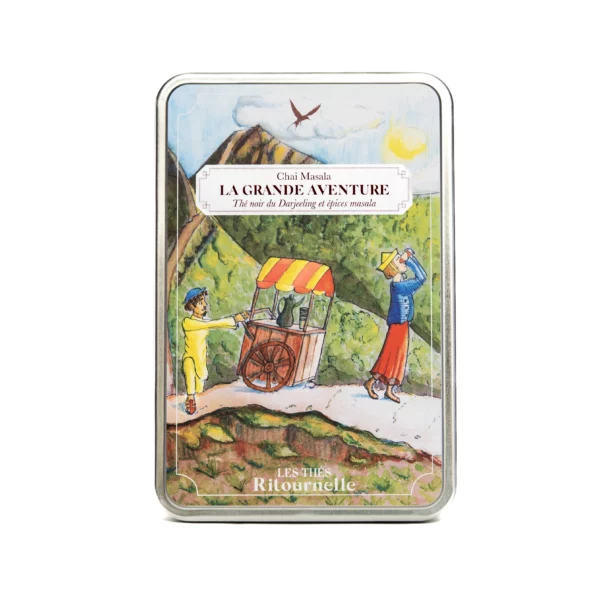
Masala Chai is a blend of full-bodied black tea and warm or pungent spices (cinnamon, cardamom, ginger, cloves), often prepared with hot milk.
Why is black tea called "red tea" in China?
It is a historical distinction! In the West, we call this tea "black" by observing the dark colour of its dried leaves. In China and East Asia, it is named Hong Cha (红茶) which literally translates "red tea"referring to the coppery and amber hue of its liquor once infused.