
Homemade tea Blends
Exclusive blends signed by Ritournelle, our creations combine high-quality tea grand crus, flowers, fruits and spices. Each recipe is designed as a precise aromatic ensemble, offering balanced liquors and unique scented notes.
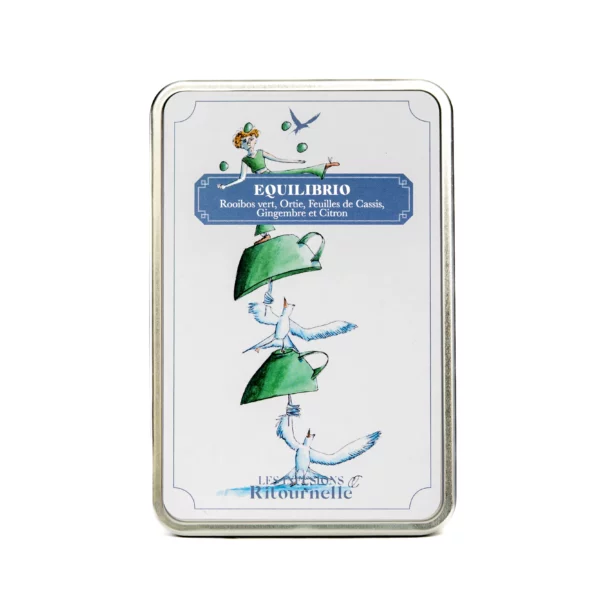
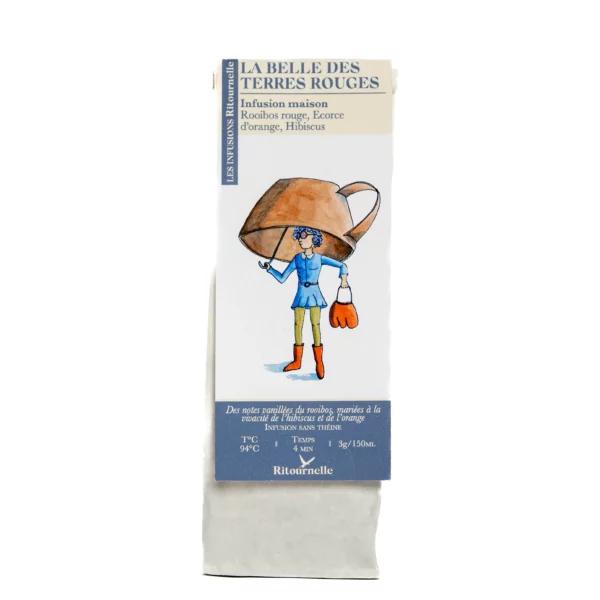
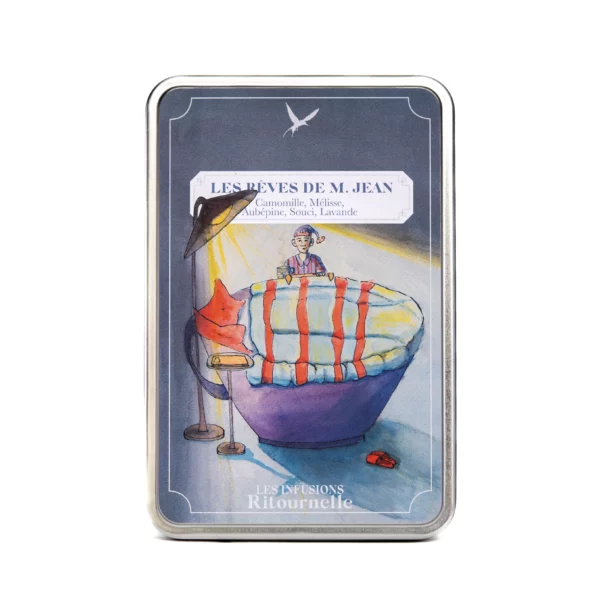
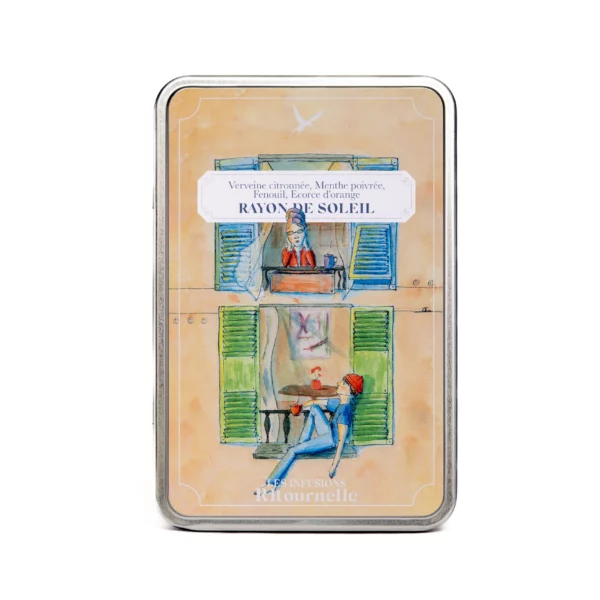
Recipe creation, preparation advice and aromatic pairings: discover everything you need to know to enjoy our exclusive signatures.
How are the flavours of our homemade tea blends developed?
Exclusively through the assembly of exceptional plants, flowers and spices.
To create our aromatic signatures, we work directly with producers of flowers (Damask rose, jasmine, cornflower), sweet spices (Ceylon cinnamon, green cardamom) and citrus fruits (Calabrian bergamot). Tea or plant leaves naturally absorb these fragrances upon contact with the raw ingredients, creating an authentic aromatic bouquet without ever altering the natural virtues of the tea or plants.
How should our Ritournelle's blends be stored to prevent the aromas from evaporating?
In airtight, opaque metal containers, away from air and light.
Plants and flower petals are particularly sensitive to oxidation, air and temperature fluctuations. To preserve the intensity of your favourite blends' aromatic bouquet down to the last spoonful, store them in an airtight tinplate caddy kept in a cool, dry place, away from the oven and kitchen spices.
Why does the geographical origin of simple botanicals (flowers and plants) change the taste of the exact same recipe?
Just like with tea or wine, the terroir (soil, altitude, sunlight) shapes the concentration of essential oils in plants.
Provence verbena does not share the same profile as verbena grown at high altitude in South America, just as Egyptian matricaria chamomile is sweeter and more honeyed than its European counterpart. To guarantee the exact balance of our house blends from one year to the next, we select each ingredient from its chosen terroir, where microclimates force the plant to concentrate its finest aromas. Most of our plants are French.
Why can the weight of a spoonful of house blend vary threefold depending on the recipe?
Each plant possesses a unique density that requires volume dosing rather than weight dosing for a perfect cup.
In an artisanal blend, you will find extremely light and voluminous ingredients (such as mallow flowers, rose petals or whole verbena leaves) alongside very dense elements (cardamom seeds, cinnamon bark or ginger roots). Thus, a tablespoon of a very floral blend will sometimes weigh barely 1.5 g, whereas the same tablespoon of a spice or dried fruit blend will weigh over 4 g. For ideal extraction, rely on the volume of fresh leaves and adjust according to your blend's density.
What happens chemically in a house blend over the months?
A marriage of aromas that improves over the first few months, followed by a slow evaporation of the most volatile oils.
Much like a perfume that "settles" after its creation, a freshly assembled house blend needs a few days of rest in a closed tin so that the naturally present essential oils infuse the surrounding leaves and flowers. During the first 3 to 6 months, the aromas blend together to create a unique aromatic synergy. After a year, while the plants' virtues remain intact, the most volatile top notes (citrus, mint) gently fade in favour of base notes (wood, bark, spices).
How to organise a sensory analysis workshop at home with our Ritournelle blends?
The blind tasting ritual in three stages: the dry nose, the attack on the palate and the bottom of the cup.
To discover the full complexity of a botanical creation like a professional:
The Dry Nose: Sniff the dry blend in the palm of your hand or straight from the pouch to detect the top notes and the freshness of the oils.
The Attack on the Palate: Steep for 4 minutes, take a sip while drawing in a little air (retro-nasal olfaction) to spread the aromatic steam across your entire palate.
The Bottom of the Cup: Once the cup is empty, sniff the still-warm bottom of the cup: the deepest woody, honeyed or resinous notes reveal themselves with surprising clarity.
Why can the exact same house blend recipe taste radically different depending on your water's mineral content?
The minerals contained in water interact directly with the aromatic molecules and pigments of the plants.
Hard tap water (rich in calcium and magnesium) neutralises subtle aromatic acids, dulls the liquor's colour and creates a film on the surface of your cup. Furthermore, it blocks the release of fine floral notes (rose, jasmine, verbena). Conversely, filtered or very low-mineralisation water (dry residue below 50 mg/L) allows essential oils and polyphenols to express themselves fully. This is the ultimate secret of tasting counters to reveal all the intensity and brilliance of an artisanal blend.